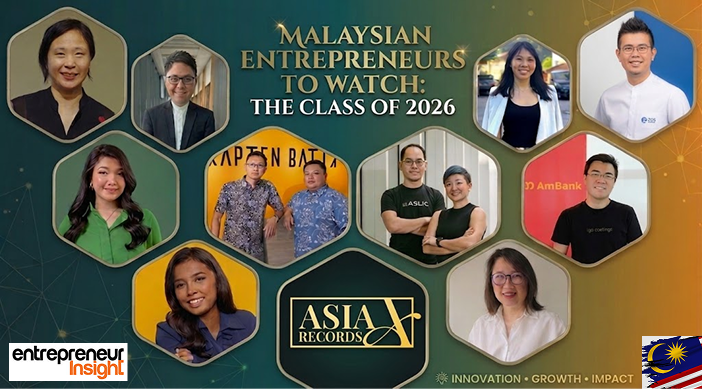
Every year, lists of Malaysian founders come out and many of them end up repeating the same familiar names. By the second paragraph, readers often already know who is coming next. That may work for a generic roundup, but it is less useful for people who want a clearer view of where entrepreneur malaysia is actually heading now.
This list is more useful because it focuses on founders whose businesses are moving into a more interesting stage. Some are scaling quickly. Some are stepping into larger markets. Some are building in categories that still do not get enough attention. What makes them worth following is not only what they have already done, but what they may do next. For readers who follow entrepreneur malaysia news, this is often where the sharper stories are found.
If you are a founder, an aspiring entrepreneur, or someone who wants a better read on which businesses are building real momentum, these are the names to pay attention to. Not because they have already reached the finish line, but because what they do next could matter even more than what they have done so far. That is also why several of them already feel like serious candidates among the top young entrepreneurs of Malaysia today.
1. Venon Tian of ZUS Coffee

If there is one founder on this list who reflects the pace of modern Malaysian consumer scaling, it is Venon Tian of ZUS Coffee. In Tatler’s founder story on Venon Tian, he is described as someone whose entrepreneurial path moved across e-commerce, laundromats, and then coffee, before helping turn ZUS into one of the country’s fastest-growing chains. On the brand’s own official website, ZUS still frames its mission very simply: specialty coffee should feel like a necessity, not a luxury. That positioning tells you a lot about why the brand took off. It was never trying to feel niche or precious. It was trying to make specialty coffee mass-market and repeatable.
What makes Venon’s story worth watching is that ZUS is already past the stage where a fast rollout alone can impress people. The company has become large enough that the question is no longer whether the concept works. The question is whether it can keep deepening the business while holding onto the pace that made it stand out. A Sunway University session featuring Venon described him sharing the realities behind building one of Malaysia’s fastest-growing coffee brands, which suggests that the founder himself understands this next phase is less about buzz and more about discipline.
In 2026, Zus is becoming a regional consumer brand story. Venon’s own LinkedIn profile shows him speaking openly about international expansion, including Thailand, while the brand’s daily consumer-facing movement is visible on Instagram and Facebook. That combination of founder visibility and mass-market brand momentum is not easy to sustain. If ZUS keeps executing well across markets, Venon will not just be one of the coffee founders to watch. He will be one of the stronger Malaysian consumer operators of this cycle.
2. Dato’ Calvin Chan of Oriental Kopi

Dato’ Calvin Chan has built Oriental Kopi into one of the clearest recent examples of a Malaysian F&B brand moving from popular chain to capital-markets-grade business. The company’s official site presents it as a modern halal kopitiam brand rooted in familiar Malaysian flavours, but the more revealing detail comes from the way Calvin has spoken about growth. In BFM’s interview on Oriental Kopi’s success, he discussed the company’s formula, unit economics, and how new stores could achieve a rapid payback period. That immediately sets him apart from founders who only speak in branding language. He sounds like an operator.
The business itself sits in a category many people underestimate because kopitiam concepts look familiar on the surface. Yet familiarity can be misleading. Making a heritage-led F&B brand scale well across locations is difficult. It requires product consistency, service discipline, supply control, and a concept clear enough to travel without losing its original appeal. In The Edge’s recent profile on Oriental Kopi’s slow-brew approach to growth, Calvin and the founding family are framed less like café entrepreneurs and more like serious retail-F&B builders. That shift matters. It suggests Oriental Kopi has already moved beyond novelty and into the realm of structured growth.
Oriental Kopi is at the point where the market is starting to judge it not only as a popular restaurant chain but as a long-term business platform. In The Star’s report on Oriental Kopi’s global ambitions, Calvin said the company had been focused on promoting authentic Malaysian cuisine beyond the local market. His own LinkedIn presence, the brand’s Instagram account, and its active Facebook page all reinforce that this is a founder and company now operating at a higher level of public visibility.
3. Stephanie Ping of WORQ

Stephanie Ping co-founded WORQ at a time when coworking in Malaysia was still treated by many people as a niche convenience or a lifestyle concept. In an earlier BFM conversation on why WORQ was started, the founders talked about creating a more productive coworking community rather than just renting desks. That distinction is important because it explains why WORQ grew into something larger than a workspace brand. On the company’s official website, the pitch is still about flexible, move-in-ready offices, but WORQ’s real edge has always been its attempt to make flexibility feel like a serious busiess product rather than a temporary compromise.
By the time Tatler profiled Stephanie Ping, WORQ had already expanded from a single location into a network across key transit corridors in Kuala Lumpur. That growth matters because the coworking category has been brutal globally. Companies in this space have had to prove they are more than design-heavy real estate wrappers. Stephanie’s reputation has grown because WORQ seems to have done exactly that.
WORQ is still pushing into new shape. BFM’s later conversation on WORQ’s profitable journey and The Edge’s report on WORQ Well both suggest a business that is trying to extend its offer rather than simply add more locations. Stephanie’s LinkedIn profile and WORQ’s own press archive also show how deliberately the company manages its voice.
4. Aida Zunaidi of Ibupreneur

Aida Zunaidi co-founded Ibupreneur to help vulnerable mothers turn home-ready skills into income and long-term financial independence. In Tatler’s profile on Aida, Ibupreneur is described as a social enterprise built for single, underprivileged and retired mothers, while the organisation’s official founders page shows that the business grew out of a youth leadership and innovation environment rather than a traditional charity structure. That distinction matters. Ibupreneur was not designed as a donation story. It was designed as a platform that treats entrepreneurship as a path to dignity and stability.
Aida operates in a space where credibility depends on both impact and execution. A lot of social enterprise founders are good at one side but weaker at the other. Ibupreneur has had to build education, commerce, partnerships and community trust at the same time. The organisation’s main website and academy page make clear that it is trying to offer a fuller ecosystem, not just one-off workshops.
Aida is one of the founders to watch in 2026 because the public and corporate relevance of Ibupreneur appears to be rising. In The Star’s report on Kao Malaysia’s collaboration with Ibupreneur, Aida appears not as a niche community leader but as the co-founder of a platform serious enough to anchor a visible corporate partnership. Kao’s own announcement on the collaboration adds another layer by pointing to direct support for mothers under Ibupreneur’s programmes.
5. Michelle Chin of Oyen

Michelle Chin co-founded Oyen with a problem that many traditional insurers had not taken seriously enough. Pet owners wanted protection that felt understandable, accessible and digital-first. In Tatler’s profile on Michelle Chin, Oyen is described as Malaysia’s leading digital-first pet insurance provider, with coverage having surpassed RM350 million. That is a big shift from where businesses like this usually begin. A niche category can look small in the beginning, but if the founder understands trust, education and user experience well enough, a niche can become an entry point into something much larger.
The way Michelle has spoken publicly about Oyen also helps explain the business. On her LinkedIn, she frames herself as someone building more in insurance, not only pet coverage. That is a useful clue for readers trying to understand the wider trajectory. The company’s own official website still anchors the brand in pet insurance and takaful, but the founder’s voice suggests a broader ambition around how insurance can be made more transparent and easier to engage with.
Oyen has already passed the novelty stage in 2026. It has customer trust, category recognition, and enough momentum to ask bigger questions about where the business can go next. Her Instagram and Facebook presence show a founder who is comfortable being public, while the company’s broader digital voice keeps building awareness of protection products that used to feel secondary in Malaysia.
6. Keong Chun Chieh of IGL Coatings
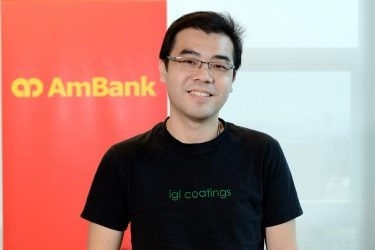
Keong Chun Chieh did not begin by building something trendy. He began with a technical problem. In Tatler’s feature on Keong and IGL Coatings, he is described as an engineer-turned-founder who turned a stubborn lab oxidation problem into a nanotechnology coatings company. BFM’s interview on how he built IGL Coatings adds another useful detail: the business was built from a small starting base and then expanded into automotive and industrial surface protection.
IGL Coatings sits in materials science, performance protection and industrial applications. On the company’s official website, it presents itself as a global coatings company focused on nanotechnology and graphene-led solutions. That alone makes Keong worth watching more closely than the average founder profile. He is not only selling a product. He is building from technical knowledge into category authority.
As such, IGL seems to be moving from a recognised niche player into something more strategically ambitious. The company’s own updates have highlighted recognition, technical partnerships, and deeper industrial relevance. His LinkedIn shows a founder actively discussing innovation and partnerships, while the business remains visible across Instagram and its own owned channels.
7. Gevitha Ananda Roe of Pepper Labs

Gevitha Ananda Roe leads Pepper Labs, a social enterprise that sits at the intersection of entrepreneurship, income generation, and digital readiness. Tatler’s profile on Gevitha says Pepper Labs’ Dapur Digital initiative has launched 50 entrepreneurs into business and that the organisation’s AI literacy programmes have reached more than 200,000 people. That is already enough to make her founder story different from the average social-impact profile. This is not a small awareness-driven organisation. It is a platform trying to convert training into actual economic movement.
Pepper Labs’ own official site and expertise page make clear that the organisation sees entrepreneurship, digitalisation and economic resilience as part of the same story. That gives Gevitha a wider relevance in 2026. She is not only a social entrepreneur. She is working in spaces that are directly connected to future employability, AI readiness, and inclusive business participation. Her LinkedIn also shows a founder active in the programme and partnership side of this work.
In 2026, Pepper Labs is addressing important problems. Malaysia’s future workforce conversations are increasingly tied to digital capability, AI awareness, and economic inclusion. They are already active in that space, with its Instagram and LinkedIn page showing a steady rhythm of programme-led public engagement.
8. Ekram Faiz of Kapten Batik
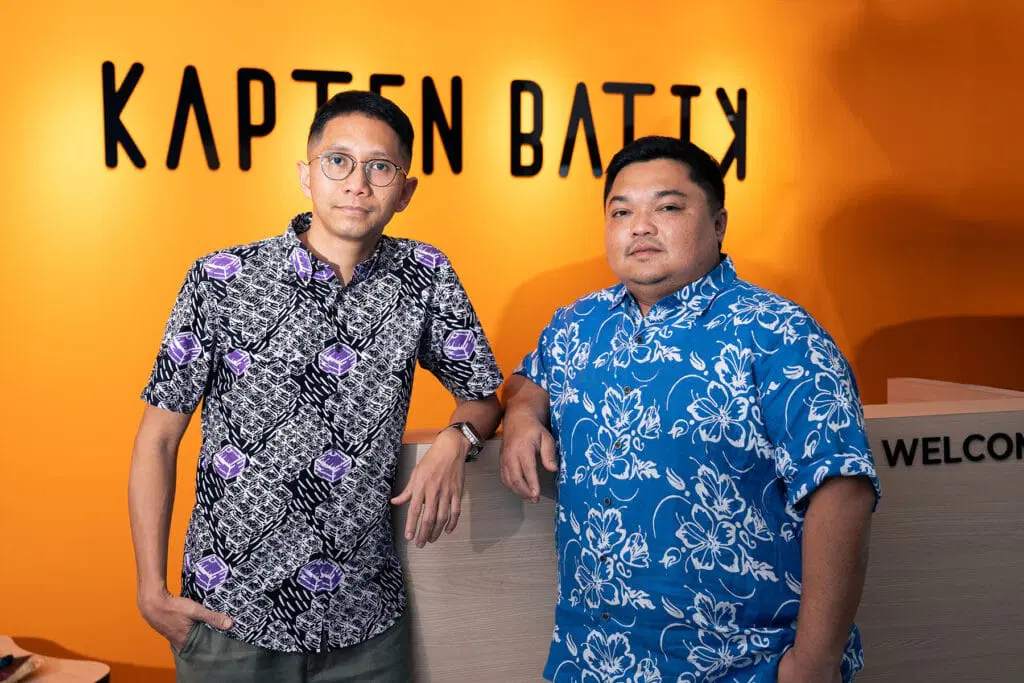
Ekram Faiz co-founded Kapten Batik with the sort of idea that can look simple from the outside and much harder in execution. The goal was not merely to sell batik. It was to make batik feel contemporary, wearable, and commercially relevant to a younger market without flattening the craft into something generic. In Tatler’s profile on Ekram, he is described as a founder redefining Malaysian batik through sustainability and contemporary menswear. The Peak’s feature on Kapten Batik adds more context by showing how the founders turned the traditional batik shirt into a serious retail venture.
The company’s official site shows how far that idea has gone. Kapten Batik is no longer only a menswear brand experiment. It has become a broader design-led brand with collections, collaborations, juniors lines, and a sharper identity than most heritage labels manage to build. That suggests Ekram is not just preserving heritage. He is translating it into a retail language the market can actually carry. His LinkedIn profile also reinforces that he is still closely tied to the business as an operator, not just a public face.
Ekram is one to watch because Kapten Batik is now at the stage where the business can become much more than a stylish local brand. The category opportunity is bigger. If the company continues to modernise batik without losing authenticity, it has room to grow as both a lifestyle and cultural export story. The brand remains active through its Instagram and broader digital presence, while founder-facing coverage such as Superbrands Malaysia’s interview keeps reinforcing the business journey.
The deeper reason he matters in 2026 is that heritage-based businesses often struggle to grow without turning into clichés. Kapten Batik has so far avoided that trap. If it keeps doing so, Ekram could become one of the more important brand builders in the Malaysian design and cultural economy space.
9. Koh Cha-Ly of UrbanMetry

Koh Cha-Ly is founder and CEO of UrbanMetry, a company using AI and city data to tackle urban inefficiency. In Tatler’s profile on Cha-Ly, UrbanMetry is described as a company helping Southeast Asian cities improve transport, housing use and public-service decision-making through data. That already makes her different from many founder names on Malaysian watchlists. She is not building in a visibly consumer-friendly space. She is building in urban intelligence, where the customers are often governments, developers, planners, and institutions that need better decision tools.
In founder interviews and ecosystem profiles, Cha-Ly has explained that she saw a gap in reliable city data and wanted to reduce the guesswork shaping development decisions. UrbanMetry’s company LinkedIn page and official website present the business as a city data and analytics company built around geospatial intelligence, AI, and decision support. This is not a startup story driven by trend language alone. It is a much more specific bet on infrastructure, data quality, and urban systems.
Cha-Ly is one of the most interesting Malaysian entrepreneurs to watch in 2026 because the relevance of her category is increasing quickly. Cities are under more pressure around housing, mobility, climate resilience and public-service allocation. Businesses that can turn fragmented data into usable decisions should become more important, not less. UrbanMetry’s visibility through Instagram and public-facing conversations around AI in cities suggests the company is already moving deeper into that role.
10. Lim Xin Yu of The Asli Co
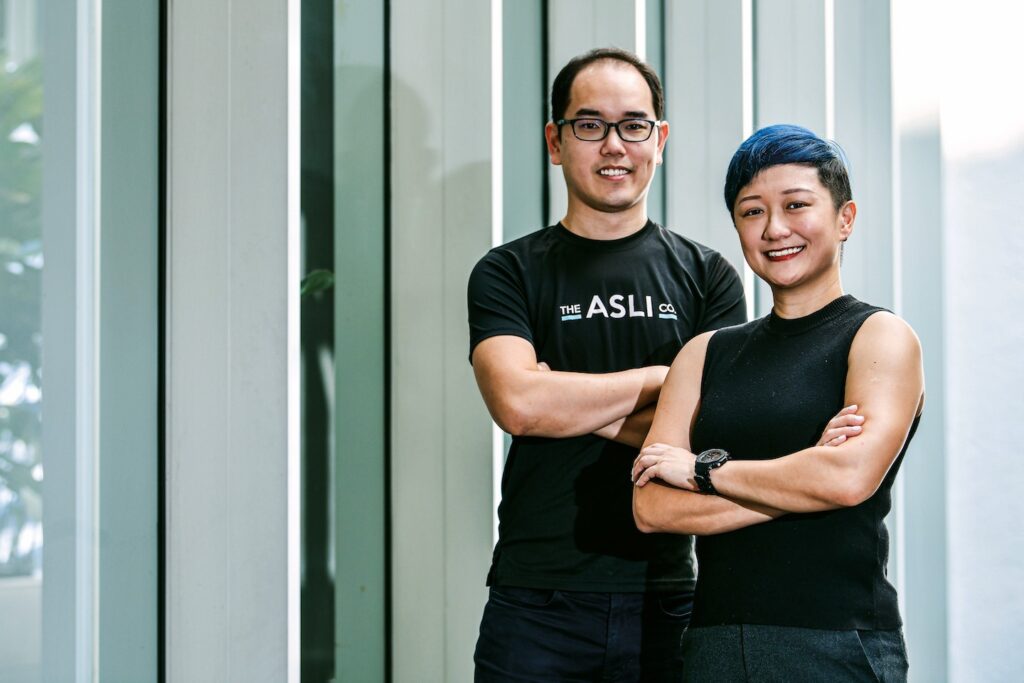
Lim Xin Yu co-founded The Asli Co after years of volunteer exposure to Orang Asli communities, and that background matters because it shaped the business from the start. In Tatler’s profile on Lim Xin Yu, The Asli Co is described as a social enterprise that empowers Orang Asli women by turning craft into sustainable income and educational opportunity. WikiImpact’s founder profile on Lim Xin Yu adds the early context by tracing the work back to volunteer experiences and the decision to build something more durable than short-term aid.
The company’s official site makes the business case clearer. The Asli Co sells products, builds training pathways, and frames every order as part of a direct income-generation system for indigenous mothers. That structure is what makes Lim Xin Yu worth watching. She did not build a cause campaign. She built a commercial vehicle with social outcomes attached to every sale. Her LinkedIn profile, the company’s Instagram, and its Facebook page all show a founder and brand trying to keep product and purpose in balance.
The Asli Co has enough product clarity to attract real customers and enough mission clarity to attract partnerships and public interest. Tatler noted that the company’s headquarters is staffed entirely by Orang Asli women, which gives it a stronger operational identity than many purpose-led brands ever develop.
Why These Founders Matter More Than a Standard Founder List
A standard founder list usually celebrates people who are already fully established. This watchlist does something more useful. It highlights entrepreneurs whose businesses are still unfolding in real time. That makes their journeys more practical to study because readers can still see the transition from traction into structure, from visibility into discipline, and from promise into actual business growth. Together, they create a stronger picture of entrepreneur malaysia than a more traditional list of legacy names would.
For readers of an entrepreneur magazine, that matters. The real value of these stories is not simply inspiration. It is pattern recognition. They show what today’s top young entrepreneurs malaysia are doing differently, where their opportunities sit, and how their next stage may shape broader conversations around business, leadership, and innovation. Entrepreneur Insight already supports that wider role through its strategy coverage, founder features, leadership articles, and entrepreneurship content on Malaysia. Its homepage and strategy section both position the platform as a place for business stories, founder lessons, and current entrepreneurship discussion in Malaysia.
What These 10 Founders Reveal About Entrepreneur Malaysia In 2026
Taken together, these ten founders tell a fuller story than a generic “top entrepreneurs” list usually does. They show that the strongest entrepreneurial movement in Malaysia right now is not happening in one single mould. It is happening across mass-market consumer brands, values-led social enterprises, data businesses, insurtech, heritage retail, renewable-focused industry, and workspace platforms. Some of these founders are building highly visible brands. Others are building infrastructure and systems that will matter more over time than in headlines. That spread is exactly what makes the current moment interesting.
The second thing they reveal is that 2026 is likely to reward founders who can turn early traction into stronger structure. That is the real dividing line now. ZUS, Oriental Kopi, WORQ and Oyen are all already known. The bigger question is whether they keep deepening their businesses while growing. Meanwhile, founders like Gevitha Ananda Roe, Lim Xin Yu and Cha-Ly Koh show that entrepreneurship in Malaysia is also becoming more serious about inclusion, systems, and long-term relevance, not only consumer speed. The next stage belongs to the entrepreneurs who can deepen their business model, sharpen execution, and turn momentum into lasting business growth. That is why several of these names already feel close to the wider conversation around top young entrepreneurs malaysia.
These founders whose next move may matter most. Some could become much larger consumer names. Some could shape how Malaysia thinks about cities, insurance, women’s economic empowerment, or modern heritage retail. Some may do all of that quietly before most people catch up. That is usually the strongest reason to watch a founder in the first place. Not because everyone already agrees they matter, but because their next chapter is likely to prove it more clearly.
Frequently Asked Questions
1. Who are some of the top young entrepreneurs in Malaysia to watch in 2026?
Founders such as Venon Tian, Stephanie Ping, Michelle Chin, Koh Cha-Ly, Lim Xin Yu, and Gevitha Ananda Roe are strong examples of the kind of names shaping the next phase of entrepreneur Malaysia in 2026.
2. Why is this list useful for aspiring founders?
It is useful because it focuses on entrepreneurs whose businesses are still developing in real time. That makes the lessons around execution, timing, and business growth more practical than a list built only around long-established names.
3. What makes these founders different from a generic entrepreneur roundup?
They represent a broader and more current picture of entrepreneur malaysia news, covering consumer brands, social enterprise, insurtech, urban intelligence, workspace, heritage retail, and impact-led ventures.
4. Are these founders already among the top young entrepreneurs Malaysia is watching?
Yes, many of them already fit that category because they are building in sectors with strong momentum and are entering a stage where their next move could matter more than their last one.
5. How does Entrepreneur Insight support readers who follow these founder stories?
As an entrepreneur magazine, Entrepreneur Insight supports readers through strategy articles, founder profiles, leadership content, and programmes such as 100MIYE that recognise promising and influential entrepreneurs in Malaysia.
6. Why do founder watchlists matter in an entrepreneur magazine?
A strong entrepreneur magazine does more than celebrate success. It helps readers see which founders are gaining real momentum, what sectors are becoming more important, and what patterns of business growth are shaping the next stage of the market.