How can you tell when an entrepreneur is truly successful in business?
Most people notice the visible outcomes first. These may include business growth, stronger market presence, capable teams, and the public recognition a founder receives over time. Yet long before those results become obvious, success is often shaped by something less visible but far more important: the way the entrepreneur thinks. That is the entrepreneur mindset.
It is built on responsibility, adaptability, discipline, and the ability to keep moving even when the result is still uncertain. The industries in entrepreneur malaysia may differ, but the internal pressure behind entrepreneurship often feels very similar. Founders are expected to make decisions without perfect certainty, carry risk without losing direction, and keep building even when progress is slower than expected.
Mindset is one of the strongest drivers behind lasting success. Skills matter. Timing matters. Strategy matters. But mindset often decides how long an entrepreneur can keep going when everything else is being tested.
What Does Having An Entrepreneur Mindset Means
The entrepreneur mindset is often spoken about in broad terms, but in reality it is highly practical. It is the habit of facing uncertainty without freezing, taking responsibility without waiting for ideal conditions, and adjusting without losing direction. This matters not only for large companies, but also for small business malaysia, where founders often carry multiple roles at once and have to make clear decisions with limited room for error.
You will never find an entrepreneur working in a neat environment, and even if they do, a strong mindset does not remove the pressures of being who they are. They need to deal with issues like hiring problems, financial pressure, competition, changes within the market, and most importantly customer expectations. Instead, it helps the entrepreneur stay clear enough to move through them with better judgement.
You may find successful founders often looking calm from the outside. That calm is not always natural; it is usually built over time. They learn how to respond instead of react. They stop chasing every opportunity. They become better at knowing what deserves immediate action and what needs patience. That is mindset in practice.
Why Does Mindset Shape The Business Before Strategy
A business strategy can be written down, but mindset tends to show up when the plan stops working exactly as expected. A strong entrepreneur does not treat feedback as a personal attack or delay as a permanent failure. Instead, they learn how to make better use of information, respond with better judgement, and stay steady under pressure. That is often what separates a founder who talks about success from one who actually creates long-term business growth.
As entrepreneurs, they understand the concept of constructive criticism and making better use of information. This means even if feedback is given, they do not take it as a personal attack. Delay is also not treated as a permanent failure. Though not every decision they make results in a better course of action, they don’t also ignore problems until they become too expensive. An entrepreneur needs to develop an undeterrable mindset that responds well under pressure.
What Successful Entrepreneurs Have in Common
There is no single personality type behind success, but certain traits appear again and again.
- They take ownership early
Successful entrepreneurs usually stop waiting for someone else to solve the issue. They learn to step forward quickly, make a call, and accept responsibility for the result. That does not mean they are impulsive. It means they do not build a habit of delay.
- They are comfortable with uncertainty
Most businesses begin with incomplete information. Strong entrepreneurs learn how to move while some answers are still developing. They gather facts, assess risk, and make the next decision without expecting full certainty.
- They stay close to the problem
Many business issues get worse because they are left alone for too long. Successful entrepreneurs tend to deal with problems earlier. They notice where friction is building, where performance is slipping, or where something no longer works, then respond before the damage spreads.
- They keep learning as they grow
A founder who was effective at one stage may not be effective at the next unless they continue learning. As the business grows, the entrepreneur often needs to think differently about leadership, delegation, finance, culture, and long-term direction.
Strong entrepreneurs often share the same internal discipline, but they do not all build in the same way.
One founder may move quickly and thrive on experimentation. Another may be slower, more measured, and more systems-driven. One may be highly visible and vocal. Another may be quiet, operational, and low-profile. Both of them carry the same entrepreneurial core.
How The Mindset Changes As The Business Grows
The mindset that starts a business is not always the same mindset that scales one.
In the early stage, most of the focus goes to survival, speed, and proving that the business works. At a later stage, the founder begins thinking more about structure, leadership depth, team quality, reputation, and long-term positioning. This is especially true in small business Malaysia, where the founder’s role often shifts from doing everything alone to building systems and people around the business.
At the later stage, entrepreneurs usually sense a pressure shift since they need to factor in other components like structure, team quality, reputation, long-term positioning, leadership depth, and how to grow without sacrificing their quality. Though the business becomes more stable than when they first started, it usually comes with heavier decisions being made.
There is a need for critical change within the mindset because those that stay trapped for too long will end up finding faults in even the most minimal problem and eventually do everything themselves. You’ll find them reacting to every small issue, and leading from urgency even when the business needs more structure. Entrepreneurs with strong mindsets know when they need to mature with the business.
The Biggest Challenges Every Entrepreneur Faces
No founder avoids challenges. The shape may vary, but the pressure is familiar.
- Uncertainty and decision fatigue
Entrepreneurs make decisions constantly. Pricing, hiring, timing, operations, partnerships, marketing, expansion, and cash flow all compete for attention. Over time, that creates fatigue.
The stronger entrepreneurs usually respond by becoming more structured. They improve how they prioritise. They know which decisions need speed, which need data, and which need delegation. That shift often improves the business immediately because it reduces noise and increases clarity.
- Cash flow pressure
Even healthy businesses can feel unstable when payment cycles stretch, expenses rise, or growth happens faster than internal systems can support. This is one of the most common pressures across SMEs and founder-led companies.
Entrepreneurs who manage this well usually become far more disciplined with numbers. They stop treating financial visibility as a monthly exercise and start using it as part of daily leadership.
- Isolation
Founders often carry pressure quietly. Teams look to them for confidence. Clients look to them for certainty. Partners expect direction. That can make entrepreneurship surprisingly lonely.
The entrepreneurs who handle this better usually build stronger circles around them. That may mean peers, mentors, advisors, or leadership staff they can trust. Growth becomes easier to sustain when the founder is no longer carrying everything alone.
- Letting go of control
This is one of the hardest shifts in business. Many companies are built through founder involvement in everything. That works for a while. It becomes a problem later.
Successful entrepreneurs eventually realise that scale requires trust, systems, and people. Letting go is uncomfortable, but refusing to let go keeps the business smaller than it should be.
How Successful Entrepreneurs Move Through These Challenges
Strong entrepreneurs usually come back to three things. They return to facts. They simplify the next move. They avoid dramatic reactions when a calmer adjustment would solve the issue better.
They also become better at separating ego from execution. Not every idea works. Not every expansion should happen. Not every setback means the business is broken. Maturity in entrepreneurship often looks less dramatic than people expect. It looks like better judgement, steadier focus, and fewer wasted moves.
5 Habits That Strengthen The Entrepreneur Mindset
Mindset is not only something a person has. It is something they build over time with the experience they have gained. These habits eventually reflect the quality of the founder’s thinking.
1. Reviewing the business regularly
Strong entrepreneurs stay close to what is happening in the business. They do not wait for problems to grow before paying attention. Regular reviews of sales, operations, cash flow, team performance, and customer feedback help them make decisions with more clarity and less guesswork.
2. Protecting time to think
Not every hour should be spent reacting. Entrepreneurs who stay effective usually protect time to step back, assess what is changing, and decide what deserves attention next. That habit often leads to better decisions because it creates space for clearer thinking.
3. Solving problems early
Small issues rarely stay small when they are ignored. One of the strongest habits in entrepreneurship is dealing with friction early, whether it is a team issue, a customer complaint, a financial gap, or a weak process. Founders who do this well usually prevent bigger setbacks later.
4. Learning from setbacks without losing direction
Setbacks are part of building any business. Entrepreneurs with a stronger mindset usually do not waste too much time protecting their ego when something goes wrong. They look at what the setback is showing them, make the necessary adjustment, and continue moving.
5. Staying focused on what moves the business forward
Distraction costs entrepreneurs more than they realise. Strong founders usually build the habit of returning to what matters most instead of chasing every idea, every trend, or every opportunity. That discipline often creates better momentum because energy is spent on the work that truly supports growth.
Is Financial Standing The End Goal of An Entrepreneurship?
Revenue is important. Growth is important. Recognition is important. But the mindset of a successful entrepreneur is not only revealed in financial outcomes.
It is also visible in endurance, leadership, clarity, and how a founder behaves once the business becomes more demanding. Some entrepreneurs build quickly and struggle to sustain it. Others build more steadily and create something stronger over time. Both may look successful from the outside, but the deeper success often sits in how well the business can continue without constant crisis.
Recognition Changes What Happens To An Entrepreneurship
Mindset helps build the business. Recognition often shapes what happens after the business reaches a certain level.
Many entrepreneurs spend years building quietly. They focus on service, operations, delivery, product quality, staff, and customer trust. At some point, visibility starts to matter more. Not for vanity, but for positioning. The market often responds differently once the founder and the business are recognised more clearly.
Recognition can help a founder’s work reach further than the business alone. It can make people take a closer look, build more confidence around the brand, and give the entrepreneur a clearer presence in the market. This becomes more useful when the business is entering a new stage, opening the door to partnerships, or reaching a point where the founder’s story should be seen alongside the company’s growth.

Why Visibility and Community Matter as Entrepreneurs Grow
Mindset helps build the business, but visibility often shapes what happens next. Many founders spend years focused on operations, service, delivery, and customer trust before they start thinking seriously about their public profile. At some point, the market needs more than the company name alone. It needs the founder story, the direction behind the brand, and the progress that makes the business worth noticing.
Entrepreneur Insight plays an important role here. As an entrepreneur magazine and platform for founders, it helps connect readers to the stories, ideas, and leadership principles that support real business growth. It also gives entrepreneurs a more visible place within the wider entrepreneur community, especially when they have built something meaningful and are ready for the market to understand that journey more clearly. Entrepreneur Insight’s site features business strategy content, leadership-focused articles, entrepreneurship features, and 100MIYE coverage, all of which support founders looking for practical insight and stronger visibility.
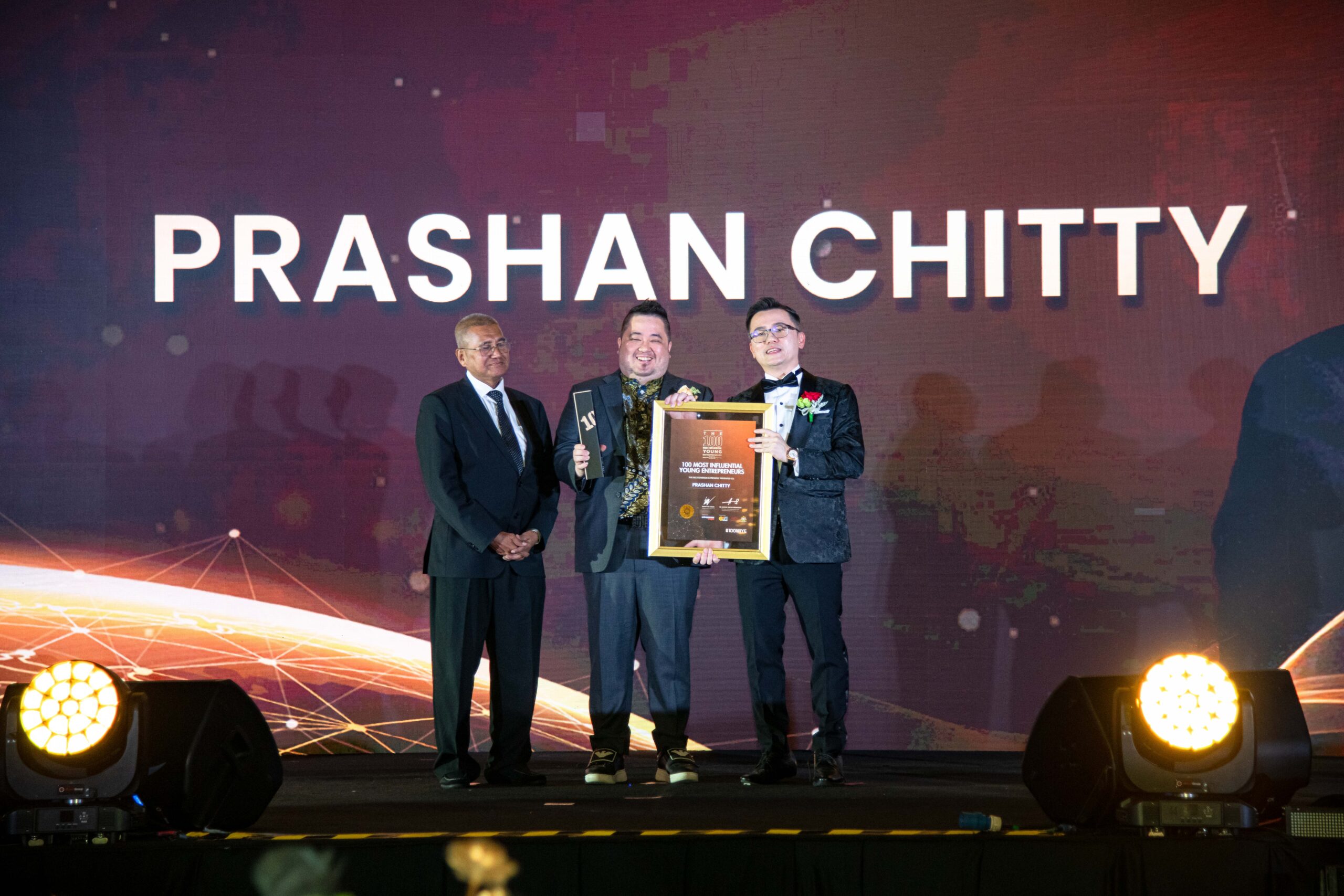
For younger founders and growth-stage business owners, this becomes even more relevant. Recognition and visibility are no longer only about attention. They become part of positioning. Programmes such as 100MIYE, which Entrepreneur Insight presents as recognition for the 100 Most Influential Young Entrepreneurs in Malaysia, show how credibility and public recognition can support the next phase of a founder’s journey.
Conclusion
Successful entrepreneurs are not defined only by the businesses they build, but by how they think when things are uncertain, demanding, and constantly changing. The mindset behind that journey often shows itself in small decisions, repeated effort, and the ability to keep going when results are not immediate. That is what allows founders to move from effort to real business growth over time.
For entrepreneurs who have already built something meaningful, visibility can become part of the next step. Entrepreneur Insight serves that role by acting as an entrepreneur magazine and business platform that helps founders present their story with more clarity and credibility. It supports entrepreneur malaysia by giving readers access to useful insight, leadership thinking, and a stronger entrepreneur community where real founder journeys matter. For many businesses in small business malaysia, that kind of visibility can make a real difference in how the founder and the business are understood going forward.
Frequently Asked Questions
1. What is the entrepreneur mindset?
The entrepreneur mindset is the ability to think clearly under pressure, take responsibility early, and keep moving even when the outcome is still uncertain. It often shapes how founders make decisions, manage risk, and respond to setbacks.
2. Why is mindset important for business growth?
Mindset matters because strong business growth usually depends on more than a good idea. It depends on how the founder reacts when plans change, pressure rises, or progress slows.
3. Is the entrepreneur mindset only important for large businesses?
No. It is just as important in small business malaysia, where founders often handle multiple roles and need to make decisions quickly with fewer resources.
4. How does Entrepreneur Insight help entrepreneurs in Malaysia?
Entrepreneur Insight acts as an entrepreneur magazine and content platform that supports entrepreneur malaysia through business articles, leadership content, founder stories, and recognition programmes such as 100MIYE.
5. Why does an entrepreneur community matter?
An entrepreneur community helps founders learn from shared experiences, stay close to current business thinking, and avoid building in isolation. It can also create stronger networking, visibility, and growth opportunities.
6. Can recognition help entrepreneurs grow?
Yes. Recognition can strengthen trust, increase visibility, and support a founder’s market positioning. Platforms like Entrepreneur Insight and initiatives such as 100MIYE help make entrepreneurial success more visible and credible.