A large following can get people to look. It can get people to click. It can even get people to buy once. What it cannot do on its own is build a business that lasts. That is the part many people miss when they talk about Malaysian KOLs moving into business. The real story is not fame. It is what they do with the attention after they have it. In many cases, that is where real business growth begins.
Some Malaysian KOLs launch products and disappear after the first wave. Others manage to turn audience trust into something much more stable. They build brands, product lines, reseller networks, repeat customers, and in some cases full business ecosystems around their name. The difference usually comes down to one thing. The strongest KOL founders stop treating influence as the product and start using it as an advantage in a much bigger business model. That is exactly why this topic matters within entrepreneur Malaysia, where more founders are now moving from personal brand to structured business.
This is what makes the Malaysian market interesting. KOL-led businesses here are not only selling beauty, fashion, or lifestyle products. They are also selling familiarity, trust, aspiration, routine, and community. A follower may come in because they know the founder. They stay because the product works, the brand feels consistent, and the business keeps meeting expectations after the first purchase.
What Malaysian KOLs are really selling
Before looking at specific founders, it helps to understand what a KOL business is actually converting.
- Trust Comes Before the Sale
A lot of people think the business begins when the product launches. In reality, it usually begins much earlier. Malaysian KOLs often spend years building familiarity, credibility, and a certain kind of relationship with their audience before they ever ask that audience to buy anything.
That is what gives them an advantage when they move into business. Their followers already know how they speak, what they stand for, and what kind of taste or standards they seem to have. When a product finally appears, the audience is not reacting to a stranger. They are reacting to someone they have already been watching for a long time.
- Personal Brand Creates Product Fit
Not every KOL can sell every category. The ones who succeed usually launch products that make sense with the image they have already built. A modest fashion founder can move more naturally into scarves, telekung, or apparel. A beauty creator can move more naturally into skincare, cosmetics, or lifestyle extensions.
This matters because the product feels easier to understand. The audience does not need to be convinced from the beginning. The founder’s public image has already prepared the market for that kind of product. That lowers friction and gives the business a cleaner first step.
- Content Builds Demand Over Time
Content does more than create reach. It shapes desire, trust, and routine. A strong KOL does not only post to stay visible. They post in a way that keeps the audience emotionally close to the brand they may later introduce.
This is why some KOL-led businesses launch with stronger early sales than traditional brands. The audience has already seen the founder talk, demonstrate, explain, recommend, or live around that category repeatedly. By the time the product is launched, the content has already done part of the selling work.
- Community Drives Faster Growth
The stronger KOL businesses do not only build customers. They build communities around the business. That may come through resellers, affiliates, repeat buyers, fans who create their own content, or followers who actively recommend the product to people around them.
Once that happens, the founder is no longer the only one pushing the business forward. The audience starts helping the brand move. This is one reason some Malaysian KOL brands grow very quickly. The founder creates the first wave, but the community helps carry the next ones.
- One Product Can Lead to a Full Brand
A short-lived KOL business often depends on one product doing well once. A stronger one uses that first product as the entry point into something bigger. Once the audience trusts the founder in one category, the business can slowly expand into related categories that still make sense.
This is where the brand starts to become more important than the founder alone. The customer may come in because of the KOL, but they stay because the brand now feels complete enough to stand on its own. That is how a product line becomes a business, and how a business becomes a brand system.
- Fame Needs a Sales System
Fame can create attention, but attention still needs structure. The KOL founders who do this well usually move quickly into proper systems. They build product fulfilment, customer service, logistics, teams, marketing support, and in some cases reseller networks that allow the business to keep selling even when the founder is not posting every day.
This is the point where influence starts to matter to entrepreneur malaysia news, because the founder is no longer being watched only as a creator. They are being watched as a business builder with a model that can actually sustain business growth.
- Staying Relevant After the Launch
The first sales wave is usually the easiest part. The harder part is staying relevant after the launch excitement fades. This is where many KOL businesses start to weaken. The product may sell well once, but it does not always hold customer trust long enough for repeat growth.
The Malaysian KOLs who succeed in business usually understand that attention has to be renewed, but trust has to be protected. They keep the brand visible, but they also make sure the product still works, the service still feels consistent, and the business still gives customers a reason to come back. That is what turns fame into something more durable than a one-time launch.
Neelofa and the identity-to-brand system strategy
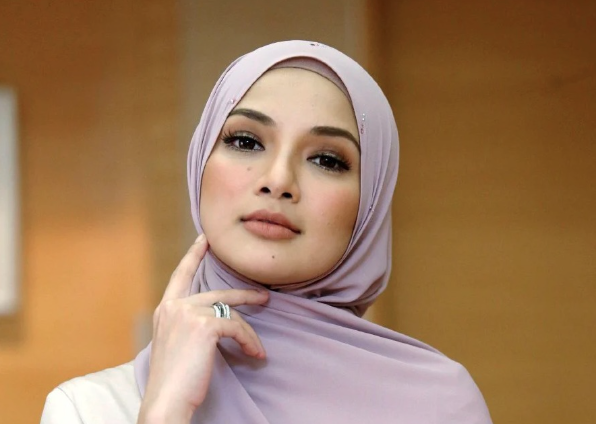
Neelofa is one of the clearest Malaysian examples of a KOL who turned personal brand power into a wider commercial structure. On Naelofar’s official About Us page, the brand says it was founded by Neelofa in 2014 and built around accessible modest wear for the modern woman. Marketing-Interactive later reported on the brand refresh and retail push at Naelofar, showing that the business was not standing still after the first phase of popularity. It was being managed like a larger fashion company with positioning, target audiences, and regional ambitions.
The strategy here was not just to sell hijabs because Neelofa wore hijabs. The stronger move was to turn her public image into a full brand language. Naelofar’s product mix now stretches across headscarves, clothing, and related modest-fashion categories on its official store. That matters because it shows range without breaking category logic. The products still sit inside the same customer identity. The business did not wander too far from what the audience already trusted her for.
Another important part of Neelofa’s business story is that the market around her was not treated casually. Marketing-Interactive reported that Naelofar had brought in senior marketing leadership to oversee Malaysia, Southeast Asia and Europe, which points to a brand thinking beyond social traction and into more formal growth. That is a significant shift. It shows the difference between using fame to launch a brand and using a brand to build a longer commercial life.
What other founders can learn from Neelofa is that influence becomes much more valuable when it is organised into a brand system. The public image opens the door, but the business has to create a world around that image. If the products remain coherent, the customer stays inside the same identity each time they buy again.
Khairul Aming and the trust-to-product conversion strategy

Khairul Aming is a strong example of a creator who did not rush from content into random brand extensions. He built audience trust first, then launched products that matched what the audience already believed about him. Coverage in The Star reported that his Dendeng Nyet Berapi launch sold RM1.2 million worth of product in just over three minutes, while Vulcan Post earlier highlighted how he sold 2.4 million bottles of Sambal Nyet and was using automation to increase output while keeping prices steady. Those figures matter, but the bigger point is how he got there.
Khairul Aming’s content had already trained the audience to see him as careful, likeable, food-credible, and highly consistent. By the time he launched products, people were not only buying sambal or dendeng. They were buying into standards they already felt they knew. This is what makes KOL entrepreneurship more interesting than simple product placement. The audience relationship had already done a large part of the brand-building work.
Jane Chuck and the personal-brand extension strategy
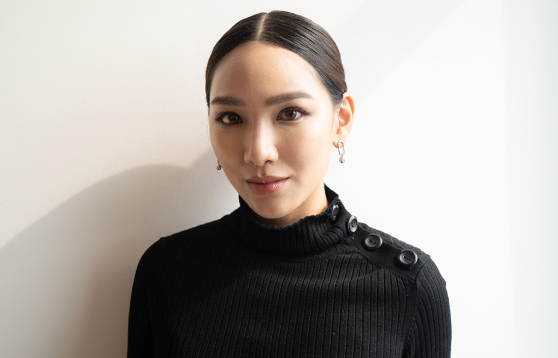
Jane Chuck’s journey is slightly different from the usual “one KOL, one product line” model. Tatler describes Jane Lau, better known as Jane Chuck, as a social media influencer and content creator who founded beauty and lifestyle brands Chuck’s and Motherchuckers. The same profile notes that she began as a blogger at 14, later expanded into beauty and fashion content, and eventually built a more recognisable founder identity around that lifestyle space.
What makes Jane Chuck’s business route interesting is that she did not stay trapped inside content alone. Tatler’s coverage around her and Han Pin Ma also mentions Hejau, a café they co-founded, while design and home features position her not only as a creator but as a founder with a visible physical workspace and team environment. That suggests a broader personal-brand extension strategy. Instead of depending on one product launch, she has been building a cluster of businesses that all sit close to the same lifestyle identity.
This is a useful model because it shows another route KOLs can take. Not every creator has to build one large hero brand and scale it aggressively. Some can turn their influence into a business umbrella, where multiple ventures still feel believable because they all come from the same aesthetic, values, or customer world. In Jane Chuck’s case, beauty, lifestyle, family identity, and café culture all connect in a way that still feels coherent.
The lesson here is that influence can be monetised more intelligently when the founder understands the full shape of their audience’s lifestyle, not just one product opportunity. Jane Chuck’s move from blogger to founder works because the business extensions still feel like they belong to the same person the audience has been following for years.
Wawa Zainal and the reseller-community strategy
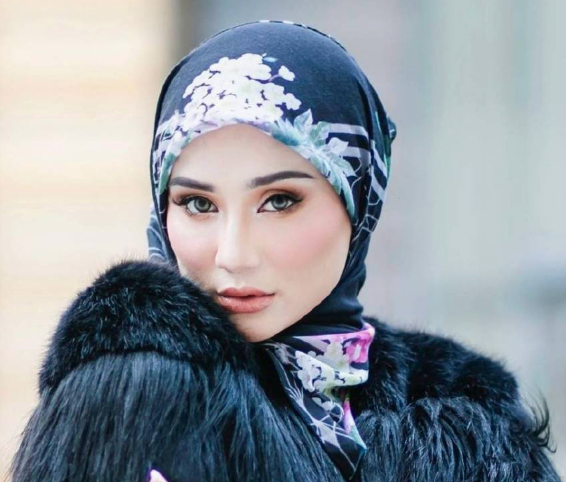
Wawa Zainal represents a more mass-market and community-driven version of KOL entrepreneurship. Wawa Cosmetics’ official site shows not only products across cosmetics, skincare, scarves and related categories, but also a dedicated Our #WAWAWARRIOR reseller section. Astro Awani reported that Wawa publicly invited people to join the WAWA Warriors network and described the support available for resellers through HQ marketing materials and strategy guidance.
This is a very important clue about how some Malaysian KOL businesses scale. The founder’s fame creates initial demand, but the business grows much faster once customers can become sellers too. Wawa Cosmetics is not only a celebrity-owned product line. It behaves more like a community-enabled commerce structure. The reseller model creates a wider sales footprint, and it also makes the brand feel more participatory for women who want to turn the products into income.
Astro Awani also reported in 2022 that Aeril Zafrel and Wawa Zainal had opened a new Wawa Cosmetic headquarters valued at RM5.2 million, with Wawa describing it as a result of sustained effort and growth. That matters because it points to the business moving beyond informal celebrity-brand status and into more serious infrastructure. A KOL business only becomes durable when the back-end starts matching the front-end confidence.
The deeper lesson here is that KOL-led businesses can scale very differently depending on the sales model. Some are direct-to-consumer. Some are community commerce. Wawa Zainal’s case shows how a strong founder image, simple product demand, and a motivated reseller network can become a powerful combination in the Malaysian market.
Fazura and the lifestyle-empire strategy
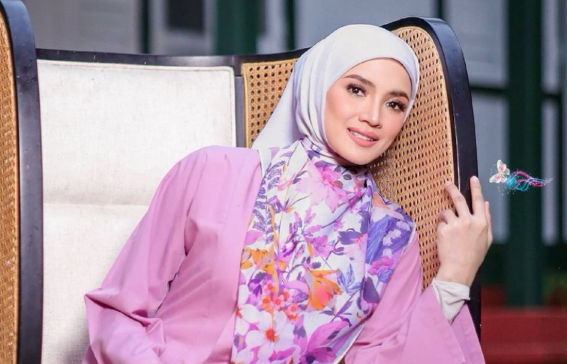
Nur Fazura’s path into business is also worth paying attention to because it reflects a broader lifestyle-empire approach. Tatler’s profile on Fazura described her as an actress, singer, TV personality, and entrepreneur who had already launched Fazbulous and was building beauty lines around her name. On the official About Us page of FAZURA, the brand says it started as a fashion and accessories label under Fazbulous in 2010 and later expanded into FAZURA Skincare, FAZURA Beauty, and Tudung Fazura.
What this shows is a very deliberate shift from celebrity fame into lifestyle-brand architecture. Fazura did not stop at one category. She moved across fashion, skincare, beauty, fragrance and modest wear, all under a consistent founder identity. The official FAZURA store now reflects that breadth across multiple product lines. That kind of expansion only works if the audience accepts the founder as the face of a wider lifestyle proposition rather than a single product specialist.
Another interesting part of the FAZURA model is how content is built into the business. The brand’s own UGC Page encourages customers to create content featuring Tudung Fazura, Fazura Beauty and skincare in exchange for account credit. That is a smart extension of KOL logic. The founder’s influence starts the cycle, but user-generated content helps keep the brand visible through community participation rather than through celebrity posting alone.
The lesson here is that Malaysian KOL entrepreneurs can move beyond a personality-led business if they build a broader lifestyle world around themselves. Fazura’s route shows how a founder can turn image into multiple commercial categories as long as the audience still understands the connection between the founder and the products.
What separates a short-lived KOL brand from a real business
Looking across these Malaysian examples, a pattern becomes clear.
The strongest KOL founders do not rely on fame alone
Neelofa did not stop at visibility. She built Naelofar into a wider modest-fashion system. Khairul Aming did not stop at viral content. He built product trust and operations around it. Jane Chuck expanded into a lifestyle cluster, not just one product. Wawa Zainal added reseller infrastructure. Fazura built across categories and invited customer content into the brand loop. In each case, the business became bigger than a single post or launch moment.
Product fit still matters more than popularity
A large following can create trial, but not loyalty. Loyalty comes when the product feels believable, useful, and consistent with what the founder stands for. That is why these examples are stronger than a simple “celebrity launches product” story. The categories make sense. The audience fit makes sense. The founder’s public identity does some of the heavy lifting, but the product has to finish the job.
Operations decide the next stage
The real test comes after the first sales wave. Can the business keep quality stable? Can it produce enough? Can it add staff, systems, resellers, affiliates, or new categories without becoming chaotic? The coverage around Khairul Aming’s automation, Wawa Cosmetics’ reseller support, and Naelofar’s formal marketing build-out all point to the same thing. Once a KOL business becomes serious, it has to start behaving like a company.
Why KOL Business Stories Matter Beyond Social Media
One reason KOL entrepreneurship is worth studying more seriously is that it shows how modern business-building works when trust already exists before the product does. That makes these stories more useful than they first appear. They are not only about popularity. They are about audience psychology, category fit, fulfilment, operations, and how personal branding turns into commercial structure.
This is where a good entrepreneur magazine becomes especially useful. A strong platform does more than report who is trending. It helps readers understand why a founder’s model works, what systems sit behind the product, and how that business fits into wider business growth and consumer behaviour. Entrepreneur Insight’s homepage, startup content, and founder-focused features all support that role by giving readers access to entrepreneurship stories, branding lessons, and more current founder thinking in Malaysia.
This also matters for the wider entrepreneur community. Many aspiring founders still underestimate how much operations, product fit, and customer trust shape the outcome of a business. KOL-led success stories make that easier to see because they start with visibility and then reveal what had to be built behind it. That is one reason Entrepreneur Insight remains useful for readers following entrepreneur malaysia news. It helps frame these founder journeys as business lessons, not just online popularity. Its founder, startup, and business coverage already reflects that role across multiple article types.
What aspiring entrepreneurs should take from these Malaysian KOL stories
The easiest mistake is to look at these founders and assume the answer is simply “build followers first”. That is too shallow.
The better lesson is this: influence works commercially when it is tied to trust, category fit, and operational discipline. Followers help, but followers are not the same as a business model. A business model starts when the founder knows what their audience already comes to them for, turns that into a product people can believe in, and then builds enough structure to keep serving the market after the early excitement wears off.
That is what the stronger Malaysian KOL entrepreneurs have done. They did not only monetise fame. They translated familiarity into a system. Once that system works, the founder’s influence stops being the whole business and becomes the opening advantage that helped the business move faster. That is a much more useful way to understand KOL entrepreneurship in Malaysia.
For entrepreneurs following an entrepreneur magazine, this is where Entrepreneur Insight plays an important role. We help entrepreneurs look beyond social reach and see how trust, positioning, and structure shape actual business growth. We also support the wider entrepreneur community by giving visibility to the kinds of business journeys that are increasingly shaping entrepreneur malaysia news today.
Frequently Asked Questions
1. How do Malaysian KOLs turn fame into real business success?
They do it by turning audience trust into something more structured. The strongest founders build products that fit their personal brand, then support those products with systems, customer trust, and operational discipline.
2. Is having a large following enough to build a business?
No. A following can create visibility and first-time trial, but long-term business growth depends on product fit, repeat customers, and the ability to build a real operating system behind the brand.
3. Why are KOL-led businesses relevant to entrepreneur Malaysia today?
They are relevant because they show how modern founders in entrepreneur malaysia are using trust, branding, and audience behaviour to create businesses that move beyond social media into more durable commercial models.
4. What can aspiring founders learn from Malaysian KOL entrepreneurs?
They can learn that influence only becomes valuable when it is organised properly. Trust, category fit, and fulfilment matter much more than popularity alone.
5. Why does an entrepreneur magazine still matter in this type of article?
A good entrepreneur magazine helps readers look past visibility and understand why a business model works. That is what makes founder case studies more useful than simple entertainment or celebrity coverage.
6. How does Entrepreneur Insight support this kind of founder story?
Entrepreneur Insight supports this space by covering startup stories, founder journeys, recognition platforms, and entrepreneurship topics that help readers understand how modern business models are built in Malaysia. That gives more direction to both entrepreneur malaysia news and the wider entrepreneur community.