Many businesses struggled during the Covid-19 pandemic, with several sectors facing closures due to prolonged losses. For Jon Lai, however, the pandemic became a turning point. While others were fighting to survive, his business recorded its fastest growth during 2020 and 2021, a reflection of strong adaptability and clear direction during one of the country’s most uncertain periods.
Speaking to Entrepreneur Insights Malaysia, the young entrepreneur said the rapid progress surprised even him. It also highlighted how entrepreneurship in Malaysia can succeed when founders understand their market, stay close to consumer needs and move quickly.
Despite his accomplishments, Jon Lai remains honest about areas he believes he could have improved.

Learning from early mistakes
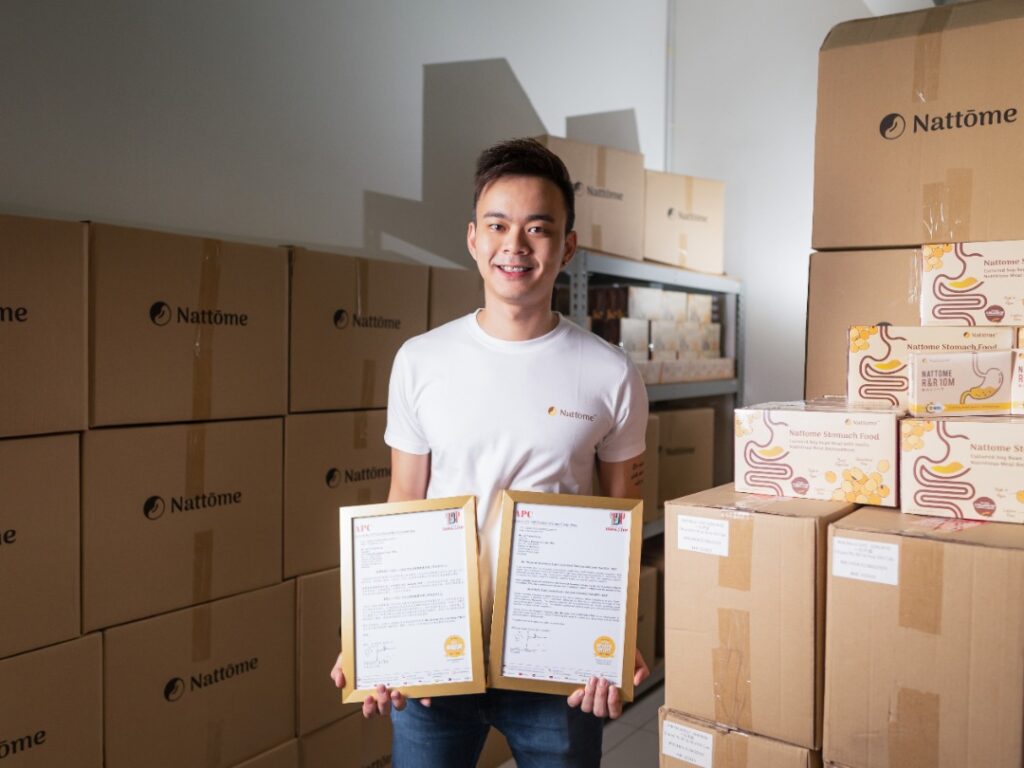
Jon Lai, the founder of home-grown wellness and supplement brands Nattome, The Perfect Derma and The Perfect Series, said his biggest early mistake was choosing the wrong manufacturer.
“One of my biggest mistakes is when I was not able to identify the right manufacturer to work with, in the beginning. This has contributed to a snowball effect as we stressed highly the efficacy of our products.
“If I could turn back time, I would opt to have two manufacturers produce one product so that I can compare the process and subsequently set up a benchmark for the manufacturing of my company’s products.
“Yes, it might cost me more but at least I could deliver the best products to our customers,” he shared.
His reflection is common among founders navigating business trends in Malaysia, especially in the wellness and beauty sector where quality control, consistency and speed matter.
Entering the market at a young age
Jon Lai is well known in the e-commerce and social commerce space. His ability to spot opportunities and launch fast-moving brands made him one of the more recognisable young entrepreneurs in the wellness sector.
He first entered the industry at 19. His earliest major success came with Jonlivia, an active lifestyle brand offering hotpants designed to help users lose weight without relying on detox drinks. The product resonated with consumers who wanted practical solutions, and it quickly grew into a recognised name.
This early achievement showed how business opportunities in Malaysia often come from solving specific problems that people genuinely face.
Creating products based on personal experience
Jon Lai emphasised that every brand under his company was created to solve a real problem, often one he personally experienced.
“It has some sort of connection with me, either directly or indirectly. For example, Nattome products have been an effective natural relief for acid reflux which has helped not just the consumers but also myself in dealing with the uneasy feeling,” he said.
This product-first approach remains a core part of small business in Malaysia, where founders often build solutions around gaps they have encountered themselves.
Aiming for RM100 million in annual revenue
Looking ahead, Jon Lai shared that he has set a target of achieving RM100 million in yearly revenue. This ambitious goal will be driven by his wellness and supplement brands.
“We have achieved 19.7 million last year and I am pretty confident that we are going to get to where we are heading. This time around, the growth would not be done just via the online market but we also will penetrate the offline distribution model through referral and retail systems.
“On a bigger scale, we are also considering expanding our business beyond this country,” he said.
His strategy reflects ongoing business trends in Malaysia, where many brands that began online are now strengthening offline distribution to scale sustainably.

Advice for new entrepreneurs
Jon Lai ended with a message for Malaysians who are still working hard to grow their businesses.
“Being an entrepreneur, we must have a better understanding of the principles in running our businesses. In short, this is where the 20/80 rule applies, where 80% of your results come from doing the right 20% effort. Therefore, it is very crucial to know what is the key action taken to move the needle in your business. Otherwise, you are probably just wasting time doing things that don’t matter,” he said.
His advice is especially relevant for founders entering entrepreneurship in Malaysia, where competition is increasing and clarity of direction can determine long-term success.
Key Takeaways for Entrepreneurs in Malaysia
1. Build partnerships carefully and always verify quality
Choosing the right manufacturer, supplier or distributor is one of the most important steps in running a product-based business. Do proper checks, compare samples, understand production timelines and keep a backup option ready. This prevents delays, quality problems and unnecessary cost.
2. Solve a real problem, not what is popular for the moment
Brands that last are built on solutions people truly need. Wellness brands that help with digestion, skincare that reduces irritation or daily-use items that make life easier all succeed because they address real problems. When consumers feel the product works, they stay loyal.
3. Strengthen both online and offline channels
Relying only on online sales can be risky. Founders in 2025 learned that businesses grow faster when they combine e-commerce with retail counters, referral systems, pop-up locations and community networks. Multiple channels create stability and help the brand reach new groups of customers.
4. Track numbers early, even when the business is small
Entrepreneurs should monitor revenue, cost of goods, customer acquisition cost and repeat purchases from the very beginning. Those who review their numbers consistently make clearer decisions, avoid overspending and identify what drives growth. This routine keeps the business healthy.
5. Focus on the actions that actually grow the business
Jon Lai’s 20/80 rule still applies today. Identify the few actions that create real progress, such as improving product quality, building stronger distribution, refining marketing messages or earning customer trust. Time spent on low-impact tasks slows the business down.