You’ve built something worth talking about solid traction, a real product, maybe even a genuinely compelling founder story. The problem is nobody outside your customer base knows it exists. Meanwhile, a competitor with half your revenue just landed a feature in a national business magazine, and their inbox is suddenly full of partnership enquiries while yours stays quiet.
Media coverage in Malaysia isn’t handed out based on how good your business actually, it’s earned by understanding how journalists and editors think, what separates a genuine story from a disguised advertisement, and which channels actually move the needle, from established business magazines Malaysia founders read for credibility, to recognised awards for entrepreneurs, to the deliberate, ongoing work of branding for entrepreneurs as individuals. This guide walks through exactly how to get there, without wasting a ringgit on an agency promising “guaranteed press” that turns out to be a sponsored listicle nobody reads.
Why Media Coverage Actually Matters
Before getting into tactics, it’s worth being clear-eyed about what press coverage genuinely does for a business, because chasing headlines purely for ego is a waste of everyone’s time. Coverage compounds in ways a single social media post never does, an article gets indexed by Google permanently, gets cited by other journalists doing background research months later, and gets forwarded by investors doing due diligence long after the publish date has passed.
- Third-party credibility that no amount of paid advertising can replicate, since readers instinctively trust editorial content over a sponsored post.
- Investor and banking confidence, particularly when the coverage comes from a recognised title rather than a pay-to-publish platform.
- SEO and domain authority gains, since a backlink from an established news site carries far more search-engine weight than most paid placements.
- Talent attraction, as job seekers researching your company find a credible article instead of an empty “About Us” page.
- Sales enablement, where a published feature becomes a trust-building asset your team can drop straight into a proposal.
- Stronger personal positioning, since a founder quoted in a reputable outlet is treated as an industry voice rather than just another business owner promoting a product, the foundation of genuine branding for entrepreneurs.
Understanding the Malaysian Media Landscape Before You Pitch
You can’t pitch effectively if you don’t first know exactly who’s on the receiving end. Malaysia’s business media scene isn’t one big pool you can blast the same email to it splits into a few very distinct tiers, and each one has a completely different idea of what actually counts as “news.”
One honest word of caution before we start naming names: digital media brands here shift fast. Outlets get bought over, merge, rebrand, or quietly go silent within a year or two. Always confirm the outlet is still actively publishing and track down a current editorial contact before you build your entire media list around a name you spotted once and assumed was still around.
Tier-1 Business Dailies and Financial Press
At the top sit the heavyweight titles: The Edge Malaysia, The Star’s StarBiz, and New Straits Times’ Business Times. These newsrooms are strictly serious business: macroeconomic trends, corporate earnings, regulatory movement out of Bank Negara Malaysia or MITI, Bursa Malaysia activity, and big-ticket investment deals.
Business Magazines Malaysia Entrepreneurs Should Know
The mainstream business magazines Malaysia founders typically target for founder profiles and growth stories include Focus Malaysia, SME Magazine, Options (The Edge’s business-lifestyle hybrid), and digital-first platforms like Entrepreneur Insight, Vulcan Post, and Digital News Asia for startup and tech-adjacent stories. These titles are considerably more open than the Tier-1 dailies to covering smaller, high-growth private companies with a compelling numbers-backed narrative. Don’t overlook sector-specific trade publications and chamber newsletters, either a feature in a niche manufacturing or fintech trade title often reaches your actual buyers more precisely than a broad consumer business magazine ever could.
Trade, Lifestyle and Broadcast Channels
Lifestyle and consumer platforms cover products, food, wellness, and consumer trends rather than corporate strategy, useful if your business has a strong human-interest or product angle. Local news portals and community media often cover new openings, local initiatives, and stories involving residents. On the broadcast side, BFM 89.9 (Malaysia’s business radio station) and Astro AWANI’s business segments give founders a chance to speak directly rather than being paraphrased, which matters when your story depends on nuance.
Key takeaway: pitch the outlet based on its actual editorial appetite, not just its size, a smaller trade publication that says yes beats a national magazine that never replies.
Building a Pitch Journalists Will Actually Read
Every week, Malaysian newsrooms and editors receive hundreds of press releases that go straight into the digital trash bin, a standard formula of an office relocation, a minor product tweak, or a stiff photo of executives shaking hands. Editors don’t work for your marketing department. If your pitch doesn’t offer an immediate hook for their specific readership, it gets discarded without a second thought.
Almost every story that actually gets published fits into one of four proven angles:
- The proprietary data or market trend angle. Journalists love exclusive, localised numbers. If your business processes transactions, deliveries, or applications, aggregate that data anonymously to illustrate a broader consumer or economic trend.
- The regulatory and policy reaction angle. Whenever Bank Negara Malaysia, MITI, or the Ministry of Finance announces a policy shift, a tax change, a minimum wage adjustment, a green transition mandate, editors urgently need SME operators willing to give on-the-record commentary about the real operational impact.
- The counter-intuitive business narrative. Stories about scaling by rejecting conventional wisdom, pivoting successfully out of a crisis, or taking market share from a much larger incumbent make compelling features precisely because they defy the expected pattern.
- The third-party validation angle. Earning a recognised credential or being named through a vetted recognition programme gives editors an objective reason to profile your leadership journey without it reading like an unpaid advertorial, this is where credible awards for entrepreneurs earn their place in your PR strategy.
Whichever angle you use, run it through the same filter: find the specific number behind the claim, connect it to a trend bigger than your own company, and make sure you have a genuinely quotable founder ready to explain in one plain sentence why it matters to an ordinary reader.
Assembling Your Media List and Press Kit
Build a simple spreadsheet of relevant journalists and editors before you send a single email. Include the publication name, journalist’s name, area of coverage, email address, relevant articles they’ve previously written, and notes on a suitable story angle for that specific person, a generic newsdesk@ email almost never gets read with the same attention as a personalised note to a journalist who already covers your sector.
Pair that list with a simple digital press kit so you’re not scrambling when someone actually responds:
- A short, factual company profile and founder biography
- High-resolution logo and professional founder/team photographs
- Key company facts, recent milestones, and any verifiable impact figures
- Media contact details and links to your website and social channels
Store everything in one organised, shareable folder rather than attaching heavy files to your first email, a link to a clean folder signals you’re prepared and makes a journalist’s job easier.
When you actually write the pitch, keep it tight: a specific subject line, a one- or two-sentence opening explaining why this matters to that publication’s readers right now, the essential who/what/why/where, one supporting statistic or quote, and a clear offer to provide an interview, images, or further data. A pitch that runs longer than a few short paragraphs is a pitch most editors won’t finish reading.
Awards for Entrepreneurs as a Repeatable Media Engine
Here’s a tactic most founders underuse: credible awards for entrepreneurs aren’t just a trophy exercise, used deliberately, they’re one of the most reliable, repeatable ways to generate genuine coverage, because established award bodies often come bundled with an editorial write-up, an official press release, and photo opportunities you can then repurpose and pitch to additional outlets.
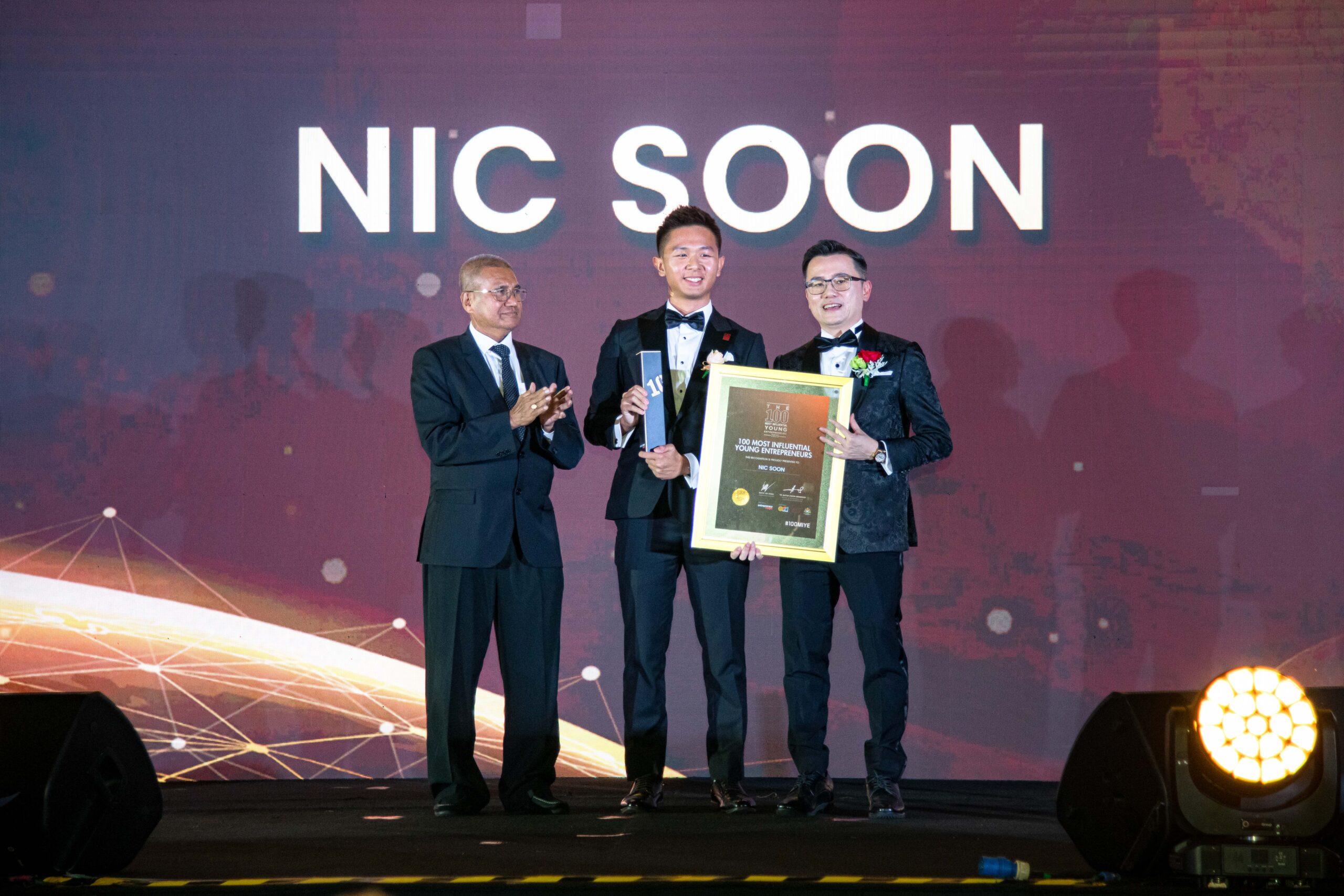
100MIYE is a good example of how this works in practice. Recognition platforms built around influential-entrepreneur lists like 100MIYE typically generate coverage in two distinct layers: the initial profile or announcement published by the organiser itself, and a secondary wave of pickup as other business publications, LinkedIn commentators, and industry newsletters reference the list. If you’re selected, don’t treat that first announcement as the finish line, treat it as the opening move. Pull the quote, the profile photo, and the recognition itself into a fresh press release, then pitch it separately to two or three additional outlets the original organiser never contacted.
There’s a practical mechanism behind why this works: media outlets are naturally risk-averse, and they’re cautious about profiling an unverified founder who might turn out to run a questionable operation. A recognised, independently vetted credential, whether that’s 100MIYE or the more established platforms covered in our previous piece on choosing a legitimate business award Malaysia programme, such as SOBA, the Golden Bull Award, or EY Entrepreneur Of The Year signals that your track record has already passed independent scrutiny. That reduces the journalist’s editorial risk and moves your pitch higher up the priority queue.
Key takeaway: winning a credible award is only step one. The real media value comes from actively repackaging that win into a fresh pitch for outlets the award organiser never reached.
Branding for Entrepreneurs: Why Your Personal Story Matters as Much as Your Company’s
Malaysian journalists increasingly write about founders, not just companies, which means branding for entrepreneurs as individuals has become just as important as branding the business itself. A corporate entity is inherently faceless; a founder with a genuine point of view is memorable, and memorable founders get approached directly instead of having to chase every opportunity themselves.
- Build a consistent LinkedIn presence. Post genuine business insights rather than recycled motivational quotes, journalists frequently source quotes and story leads directly from threads that demonstrate real expertise.
- Develop a clear, defensible point of view. Founders willing to take a specific stance on an industry issue get quoted far more often than those who stay safely neutral on everything.
- Keep a founder bio and headshot ready at all times. When a journalist needs a comment within two hours for a breaking story, the founder who responds fastest with a polished bio and photo on hand gets the quote, not the one scrambling to find a decent picture.
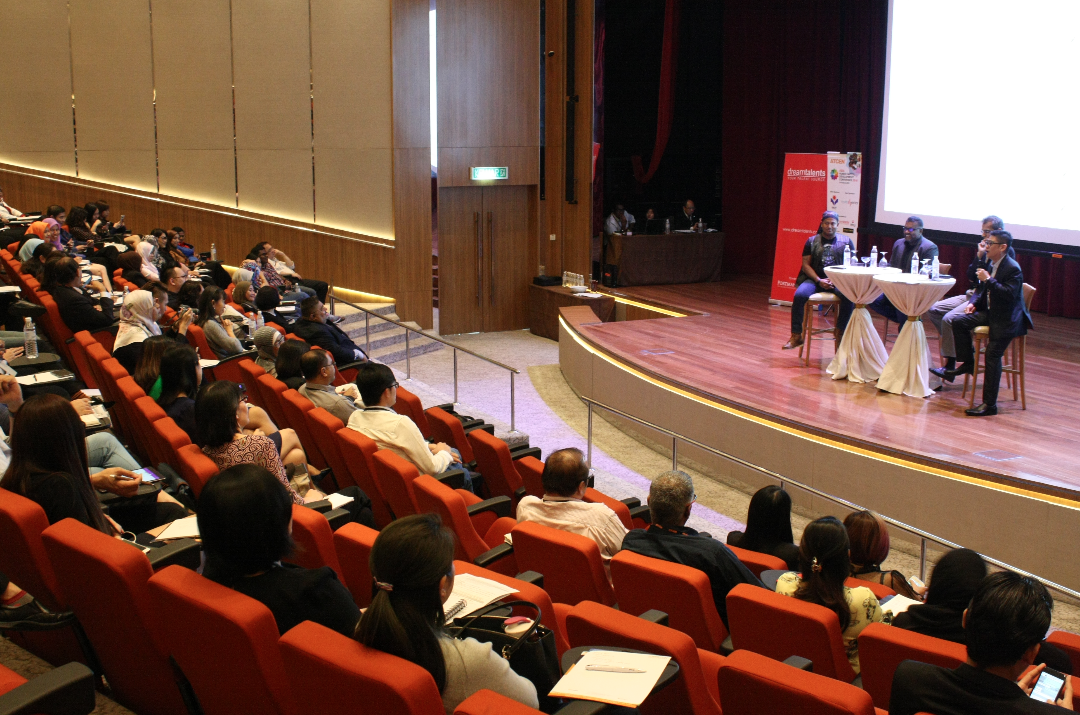
- Speak at industry events and webinars. Conference organisers frequently invite media to cover panels, creating an easy, low-pressure introduction to journalists who might otherwise be hard to reach cold.
- Stay visible between news cycles. Founders who only appear when they have something to sell come across as opportunistic; those who share useful commentary consistently build the kind of reputation that gets a cold pitch actually opened.
Key takeaway: strong branding for entrepreneurs means journalists start coming to you before you ever have to pitch them.
Comparison Summary: Matching Your Story to the Right Channel
| Channel Type | Best For | Typical Lead Time | Barrier to Entry | Primary Value |
| Tier-1 business dailies (The Edge, StarBiz, NST Business Times) | Financial milestones, policy commentary, funding rounds | Days for breaking news; 1–3 weeks for features | High needs hard data and clear relevance | Institutional credibility, banking/investor trust |
| Business magazines Malaysia (Entrepreneur Insight, Focus Malaysia, SME Magazine, Options) | Founder profiles, growth stories, SME case studies | 2–4 weeks editorial cycle | Moderate needs a strong story, not just news | Long-tail authority, B2B positioning |
| Digital-first / tech portals (Vulcan Post, Digital News Asia) | Startups, product launches, founder journeys | Days to 1–2 weeks | Moderate timely, specific pitch required | Fast turnaround, startup community reach |
| Broadcast (BFM 89.9, Astro AWANI) | Thought leadership, live commentary | 1–3 weeks booking lead time | Moderate needs a confident spokesperson | Broad public reach, personal authority |
| Awards for entrepreneurs (100MIYE, SOBA, EY EOY) | Founder recognition and reusable PR assets | Months (application cycle) | Moderate requires a strong submission | Editorial risk reduction, repeatable coverage |
| LinkedIn / personal branding | Ongoing visibility, inbound journalist interest | Ongoing | Low consistency required | Compounding credibility over time |
Key takeaway: a genuinely effective media strategy runs at least three of these channels at once, since credibility built in one makes the next pitch easier to land.
The Practical Pitching Checklist
Run through this before you send a single email, it’s what separates a pitch that gets opened from one deleted within seconds.
- Research the specific journalist, not just the publication, to confirm they actually cover your industry or business size.
- Personalise the subject line and opening line. A generic “Dear Editor” blast signals you didn’t do your homework.
- Lead with the story, not your company name. Readers’ relevance comes first, your brand comes second.
- Keep the pitch under 200 words, attaching or linking to further details instead of front-loading your entire company history.
- Include ready-to-use assets, high-resolution photos, a short bio, and key statistics as a simple one-pager so the journalist doesn’t need to chase you for basics.
- Follow up once, politely, after four to five working days. Persistent daily nudges tend to backfire; a single well-timed follow-up is usually enough.
- Track every placement outlet, journalist, and angle that worked, so you refine your approach instead of starting from zero next time.
Activating the Coverage After It’s Published
The moment an article goes live marks the beginning of the return, not the end of the effort. The value is realised in the amplification:
- Turn the article into a standardised one-pager your sales team can use during negotiations.
- Add “As Featured In” badges with outbound links to your homepage and high-intent landing pages.
- Publish a thoughtful LinkedIn breakdown of the industry lesson behind the story, tagging the journalist and publication with genuine appreciation.
- Share the feature with shortlisted senior candidates during recruitment to showcase organisational momentum.
- Reference the coverage in your next pitch to a different outlet, one placement is a credential, not a finish line.
Common Mistakes That Kill Media Opportunities
Businesses routinely reduce their own chances by sending mass emails without personalisation, writing pitches that read like an advertisement, exaggerating claims that can’t be backed up, pitching a publication that clearly doesn’t cover their sector, following up too aggressively, or supplying low-quality photography that makes the story harder to run even when the editor wants to. A polite follow-up after several working days is reasonable; beyond that, the smarter move is improving the angle rather than repeating the same pitch louder.
Final Thoughts
Getting consistent, credible media coverage in Malaysia isn’t about luck or a large PR retainer, it’s about understanding what business magazines editors actually want to publish, using awards for entrepreneurs like 100MIYE, SOBA, and EY EOY as repeatable PR engines rather than one-off trophies, and investing seriously in branding for entrepreneurs so journalists eventually come looking for you instead of the other way around. Build all three consistently, and press coverage stops being a rare stroke of luck, it becomes a predictable output of how you actually run the business.
The practical rule: don’t chase press only when you have news to announce. Build the story, the recognition, and the personal brand continuously, so that when real news happens, journalists already know exactly who you are.
Frequently Asked Questions
1. How much does it cost to get media coverage in Malaysia, and should I ever pay for it?
Genuine editorial coverage is typically free, you’re paying only for your own time, or optionally a PR agency retainer to handle pitching and follow-up. Be cautious of any “media coverage package” demanding upfront payment for a guaranteed feature; that’s usually a paid advertorial dressed up as editorial content, and it carries far less credibility with readers, investors, and search engines than genuinely earned coverage.
2. Do I need a PR agency, or can I approach business magazines in Malaysia myself?
Not necessarily, especially early on. Many founders successfully secure coverage in business magazines Malaysia and beyond by researching relevant journalists directly and sending well-crafted, personalised pitches themselves. An agency becomes more valuable once you need consistent, high-volume coverage across multiple outlets simultaneously, or simply don’t have the internal time to build and maintain journalist relationships over the long run.
3. How exactly does an award like 100MIYE turn into real media coverage?
Recognition platforms like 100MIYE typically publish an official profile or press release the moment you’re selected, that’s the first layer of coverage. The real value comes next: repurposing that quote, photo, and accolade into a fresh press release pitched to additional publications that had nothing to do with the original announcement, effectively multiplying the return from a single win.
4. How often should I follow up with a journalist after sending a pitch?
A single polite follow-up after four to five working days is usually sufficient. If there’s still no response, resist sending repeated messages, it’s more productive to sharpen the story angle or approach a different, more relevant journalist than to keep nudging the same inbox.
5. How long does it typically take to see real results from a media and branding strategy?
Expect a realistic window of three to six months before you see consistent inbound journalist interest, since genuine credibility built through award recognition, personal branding, and a track record of solid pitches takes sustained effort rather than a single viral moment. Fast wins do happen, a well-timed pitch tied to breaking news can land within days but relying on lucky timing alone isn’t a sustainable long-term strategy.